
 Google
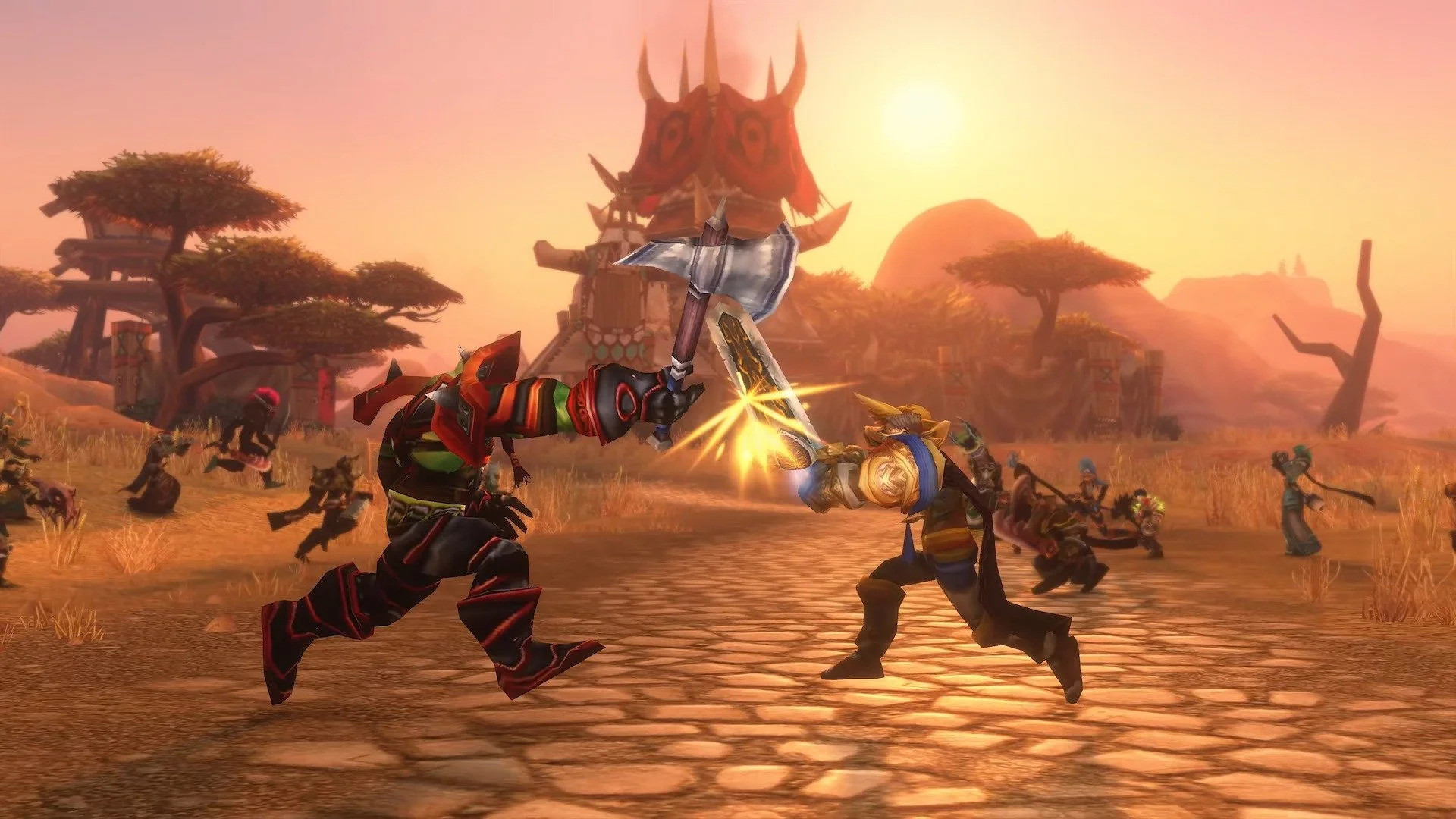
The best class for WoW Forever leveling is the one that keeps your questing reliable without demanding more setup than you enjoy. For a first solo character, our provisional shortlist starts with Hunter and Warlock. Druid and Mage are strong alternatives for players who prefer flexibility or active control.
The comparison assumes a fresh character, ordinary leveling equipment and no permanent support group. Dungeon tanking, organized PvP and maximum raid damage are different questions; a class placed lower here may be exactly right for those goals.
WoW Forever Leveling Tier List: Quick Comparison
| Tier | Classes | Who should consider them |
|---|---|---|
| S — first shortlist | Hunter, Warlock | Players prioritizing self-sufficient, pet-supported questing. |
| A — strong alternatives | Druid, Mage | Players comfortable managing forms or controlling enemies actively. |
| B — playstyle dependent | Priest, Rogue, Shaman, Paladin | Players who prefer a particular support, stealth or hybrid toolkit. |
| C — more demanding solo pick | Warrior | Players who actively want melee progression and accept a less forgiving starting recommendation. |
The labels describe our recommendation for this specific scenario, not a claim that one class has a proven leveling-speed advantage. Do not reroll a class you enjoy solely because another appears one tier higher.
How We Compare Leveling Classes
- Recovery: how comfortably the toolkit handles an imperfect pull.
- Consistency: whether normal questing works without a carefully arranged group.
- Attention cost: how much positioning, resource tracking and setup you enjoy.
- Long-term fit: whether you still want to play the character after leveling.
To compare classes yourself, try a similar-length quest session and record completed objectives, deaths and recovery breaks. A spectacular pull is less useful evidence than a routine you can repeat. Keep route familiarity and equipment in mind before attributing every difference to class choice.
S Tier: Hunter and Warlock
Hunter — Our First Shortlist for Pet-Supported Questing
Hunter has a companion that can tank in solo play. Announced Forever changes include pet scaling from Hunter gear and traps usable in combat. Ranged positioning still matters, including the close-range dead zone.
Our recommendation: consider Hunter if you like controlling the fight from a distance and do not mind pet management. Practice recalling your pet and checking its target before entering crowded areas. Treat the companion as something to direct, not permission to ignore nearby enemies.
Warlock — A Strong Pick for Deliberate Resource Management
Warlock combines demons, damage-over-time effects and draining tools. Forever updates include pet stat scaling and separating damaging Banes from utility Curses.
Our recommendation: shortlist Warlock if you enjoy managing several resources rather than chasing the biggest single hit. Start with controlled pulls and establish a recovery routine. Avoid treating every available resource as something to spend immediately; a small reserve helps when the next fight is not the one you planned.
A Tier: Druid and Mage
Druid — A Flexible Choice if You Enjoy Shapeshifting
Druid can adapt through forms, casting and healing. Forever allows more interactions and consumable use while shifted, adds an out-of-combat resurrection, and makes equipped weapon DPS matter to Bear and Cat auto-attacks.
Our recommendation: choose Druid for flexibility you actually intend to use. Build comfortable keybinds before trying to manage every option at once. Recheck weapon choices instead of following old assumptions about which equipment matters.
Mage — Attractive for Players Who Like Active Control
Mage retains crowd control, ranged area damage and food-and-water utility. Blizzard has shortened Cone of Cold’s duration to curb repetitive low-risk mass kiting, so old AoE farming demonstrations are not proof of a Forever leveling route.
Our recommendation: consider Mage if positioning and control appeal to you. Begin with repeatable pulls and increase their size only when you can recover from interruptions. A route dependent on perfect grouping should not be your only leveling plan.
B Tier: Strong Reasons to Choose a Specific Playstyle
Priest — For Players Who Want Healing and Spellcasting
Priest offers healing, protection and Shadow damage. Forever broadens access to tools such as Fear Ward and Devouring Plague, while keeping the class’s reliance on positioning and support relevant.
Choose Priest because that mix appeals to you. If you plan to alternate between questing and healing groups, organize the required gear and abilities clearly instead of assuming the same preparation suits both activities.
Rogue — For Players Who Prefer Stealth and Controlled Engagements
Rogue emphasizes Stealth, control and weapon attacks. Announced changes let Sap preserve Stealth and allow Poisons alongside temporary weapon enchantments.
Choose Rogue if deciding how to start an encounter is part of the fun. Assess whether bypassing enemies actually completes your objective; skipping combat does not help when the quest requires those kills. Save a recovery option rather than spending every tool on an uncomplicated target.
Shaman — For Players Who Enjoy Totems and Hybrid Decisions
Shaman combines spellcasting, melee and healing options. Longer weapon imbues and updated totem tracking, placement and recall tools reduce some repeated setup in Forever.
Choose Shaman if you want to use that utility deliberately. Keep a simple default routine, then add situational tools as you learn when they matter. Excessive setup on a trivial fight can work against your intended pace.
Paladin — For Players Who Value Supportive Melee
Paladin gains Holy Strike early, keeps its active Seal after Judgement, and learns Consecration baseline. Its revised damage distribution limits the assumption that every additional target makes an AoE pull better.
Choose Paladin for the combination of melee and support. Evaluate ordinary single-target questing before building your entire plan around large packs. Keep enough attention on resource use to handle an extra enemy or an ally needing help.
C Tier: Warrior for Players Who Want the Melee Journey
Warrior’s announced updates include revised Rage generation and Victory Rush at level 20 for post-kill recovery. These are meaningful changes, so treating Forever Warrior as an unchanged Classic character would be misleading.
We still place Warrior in the more demanding starting category as an editorial recommendation for unsupported solo play—not as a measured last-place result. If Warrior is the class you want, use conservative pulls, plan equipment upgrades and consider playing with a regular partner.
Do not interpret this placement as a tank or raid-DPS verdict. The comparison changes when your group, gear and intended role change.
Which Class Fits Your Plans After Leveling?
| Your preference | Shortlist to investigate | What to decide before committing |
|---|---|---|
| Pet-based ranged questing | Hunter or Warlock | Do you enjoy managing a companion throughout a session? |
| Control-focused spellcasting | Mage | Do you like positioning and managing imperfect pulls? |
| Changing roles or forms | Druid | Will you use the flexibility enough to justify the extra decisions? |
| Healing and support | Priest, Paladin, Shaman or Druid | Which healing toolkit and secondary playstyle do you actually enjoy? |
| Melee identity | Warrior, Rogue, Paladin or Shaman | Are you choosing the leveling experience, the endgame role, or both? |
When comparing candidates, prioritize the character you want to keep. Starting over repeatedly because a new ranking appears can cost more playtime than a small theoretical advantage ever saves.
Plan Your Leveling Target Before You Start
- Pick the class and role you want to learn, then set a realistic first milestone.
- Arrange your keybinds, supplies and next quest area before a long session.
- Make one adjustment at a time when a route becomes unreliable.
- Reassess after a meaningful stretch of play rather than after one difficult fight.
If you have chosen the class but want help with the level range, WoW Forever powerleveling follows your selected starting and target levels. Profession progress and specific item targets are separate unless included in your options.
Best Class and Leveling Tier List FAQ
What is the easiest WoW Forever class for a beginner?
Our provisional first shortlist is Hunter, with Warlock worth comparing if its resource-management style appeals to you. This is a recommendation for everyday solo play, not a verified fastest-to-60 result.
Is Mage automatically the fastest leveling class?
No verified universal speed ranking is established here. Judge your route by repeatable results, including downtime and mistakes, rather than assuming an old mass-pull strategy still applies.
Should I avoid Warrior?
No. Choose it if you want its playstyle and are comfortable planning around a more demanding solo experience. Our tier labels do not rank endgame value.
Is this a raid or PvP tier list?
No. It evaluates fresh-character solo questing. Raid performance, group composition and PvP matchups need separate comparisons.
Should I reroll after a class balance change?
First check whether the change materially affects the activities you play. Try the updated routine before abandoning a character you otherwise enjoy.
Official class references: Hunter and Druid, Mage and Shaman, Rogue and Warlock, Priest and Warrior, and Paladin. Tier placements are Easy4Boost editorial judgments, not Blizzard rankings.