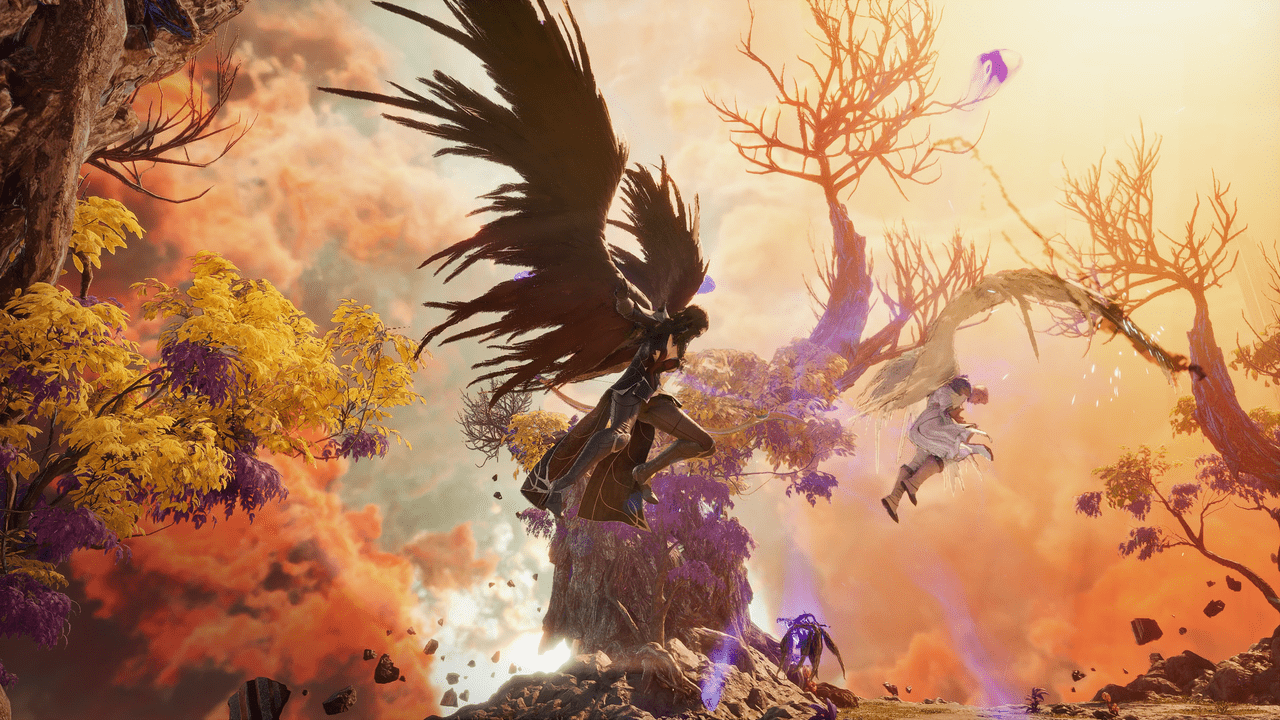
Choosing the best class in Aion 2 is not as simple as placing every class into one overall ranking. A class that dominates solo farming may offer less value in an organized dungeon group, while a tank or healer with lower personal damage may become essential in difficult party content.
This Aion 2 class tier list compares all eight global launch classes across PvE damage, group PvE, solo farming, one-versus-one PvP, and large-scale PvP. It also explains which classes are suitable for beginners and which require stronger execution to reach their full potential.
Class rankings can change after balance updates, new equipment, and the first weeks of global player data. Use this guide to choose a playstyle, not simply to copy the highest letter in one column.
| Class | PvE Damage | Group PvE | Solo PvE | Solo PvP | Large PvP | Difficulty |
|---|---|---|---|---|---|---|
| Gladiator | A | A | S | S | A | Easy to Medium |
| Templar | C | S | B | B | S | Medium |
| Assassin | S | B | A | S | B | Hard |
| Ranger | A | B | A | A | A | Easy to Medium |
| Sorcerer | A | A | B | A | A | Medium to Hard |
| Spiritmaster / Elementalist | A | B | S | B | A | Medium |
| Cleric | C | S | B | B | S | Medium |
| Chanter | C | A | B | C | A | Medium |
An S rank means the class is one of the strongest choices for that specific activity. It does not mean the class is automatically better everywhere.
A C rank does not mean a class is weak. Templar, Cleric, and Chanter receive lower personal damage rankings because damage is not their primary job. Their value increases significantly in organized group content.
There is no single best Aion 2 class for every activity. The most suitable answer depends on what you intend to play.
The best class is the one whose strengths match the content you plan to play most often.
Every category measures a different type of performance.
This category considers personal damage, boss uptime, burst potential, sustained output, and the ability to continue dealing damage during movement-heavy mechanics.
Group PvE considers total party value rather than personal damage alone. Tanking, healing, buffs, crowd control, survivability, and how difficult the class is to replace all influence the ranking.
Solo performance is based on kill speed, area damage, survivability, sustain, downtime between fights, and the ability to recover from mistakes without depending on another player.
Solo PvP values burst, mobility, control, defensive options, fight selection, and the ability to finish an opponent without party support.
Large battles reward range, area damage, group protection, healing, crowd control, and the ability to remain effective while several enemies are attacking.
Gladiator combines melee damage, durability, area attacks, and enough survivability to recover when a pull or PvP engagement goes wrong.
This combination makes it one of the most dependable classes for solo progression. Gladiator can handle groups of enemies more comfortably than fragile damage classes and remains valuable when entering group content.
Choose Gladiator if you want one class that performs well across most activities without requiring perfect execution.
Templar is the dedicated tank and one of the most important classes in organized PvE. Its job is not to lead the damage rankings. Its value comes from controlling enemies, protecting the party, surviving difficult mechanics, and creating stable opportunities for damage dealers.
Choose Templar if you enjoy leading groups, controlling encounters, and being responsible for the party’s frontline.
Assassin is designed around mobility, positioning, burst damage, and precise execution. In capable hands, it can produce some of the strongest single-target damage and becomes extremely dangerous in one-versus-one PvP.
That performance comes with a higher mechanical requirement. Poor timing, incorrect positioning, or losing contact with the target can reduce its effectiveness quickly.
Do not choose Assassin only because it has an S-tier damage ceiling. Choose it if you enjoy learning precise rotations and high-risk melee gameplay.
Ranger combines range, mobility, steady damage, and the ability to reposition without completely stopping its pressure. It is a strong option for players who want ranged gameplay without the casting and positioning demands of Sorcerer.
Ranger is one of the safest recommendations for a new player who prefers distance, mobility, and consistent damage.
Sorcerer specializes in ranged magic damage, burst windows, and area attacks. It can quickly punish grouped enemies and contributes valuable control during both dungeon encounters and PvP battles.
Choose Sorcerer if you want high-impact ranged damage and are comfortable managing positioning, control, and burst timing.
The pet-based magic class is commonly called Spiritmaster by players, while some official English materials use the name Elementalist. Both names refer to the same class identity in this guide.
Spiritmaster is particularly effective in solo content because the pet can maintain pressure and absorb attention while the player moves, controls enemies, or prepares another ability.
Choose Spiritmaster if you want strong solo progression and prefer pets, sustained pressure, and controlled encounters.
Cleric is the primary healer and one of the most valuable classes in organized content. Personal damage is not its main strength, but healing, protection, and recovery can determine whether an entire group succeeds or fails.
Cleric is ideal for players who enjoy supporting other players and want a class that remains valuable regardless of changes to the damage meta.
Chanter combines buffs, secondary healing, control, and personal combat abilities. It is not designed to outperform a dedicated damage dealer or replace a primary Cleric, but it can improve the performance and stability of the entire party.
Choose Chanter if you prefer improving the entire group rather than competing for the highest personal damage.
The best beginner class should be forgiving, useful without perfect execution, and capable of progressing without depending on a highly organized group.
Gladiator is the best overall beginner recommendation because it combines damage, durability, area attacks, and strong solo performance.
Ranger is a good beginner option for players who prefer attacking from a safer distance while learning movement, enemy patterns, and positioning.
Cleric has more group responsibility, but its survivability and permanent demand make it a strong long-term choice for players who enjoy healing.
Assassin is powerful but is not the easiest first class. Its performance relies more heavily on positioning, timing, and precise execution.
The best PvE class depends on whether you mean personal damage or total party value.
A successful group needs more than damage. Difficult Expeditions, Transcendence stages, raids, and other endgame encounters reward balanced groups that can survive mechanics consistently.
Gladiator and Assassin are the strongest starting points for solo PvP. Gladiator combines damage with durability, while Assassin uses mobility, burst, and fight selection.
Sorcerer and Ranger are strong alternatives for players who prefer controlling fights from range.
Cleric becomes extremely valuable when coordinated teammates are present. Templar, Chanter, Gladiator, Assassin, and Sorcerer can also provide important protection, control, support, or focused damage.
Templar and Cleric receive the highest large-scale value because organized battles depend on frontline control, healing, protection, and group survival.
Sorcerer, Ranger, Gladiator, Spiritmaster, and Chanter also provide useful area damage, pressure, buffs, or control. Assassin remains dangerous against isolated targets but has less area influence in a mass battle.
Choose the class whose normal gameplay you enjoy, not only the class with the highest current ranking. Balance can change, but enjoying the core playstyle makes it easier to learn and continue developing the character.
After choosing a class, concentrate your early resources on one main setup. Complete the main story, collect useful Empyrean Traces, finish nearby Strongholds and Sealed Dungeons, and avoid dividing Kinah across several temporary builds.
Players who want to prepare a new main or catch up with another character can use the Aion 2 Leveling service to reach a selected target while adding supported story and regional objectives where needed.
Easy4Boost also provides Aion 2 boosting services for Kinah, Pet Leveling, Abyss Points, Daily Dungeons, Expeditions, Transcendence, Nightmare, Ascension Trials, and major endgame encounters.
Damage rankings can change after one balance update. The core role and playstyle of a class are usually more stable than its current numbers.
An S-tier solo class may not be the best option for someone who spends most of their time healing organized dungeon groups.
Cleric, Templar, and Chanter can appear lower in personal damage comparisons while remaining some of the most valuable classes in group content.
A high mechanical ceiling is useful only if you enjoy learning the class. A well-played A-tier class will usually outperform an incorrectly played S-tier class.
Constantly changing your main can divide your time, Kinah, equipment, and progression across several unfinished characters.
Brawler exists in the Korean and Taiwanese versions, but it is not included in the eight-class global launch ranking used in this guide.
Brawler should not be added to a global launch tier list until its availability and balance are confirmed for the global version.
There is no single best class for every activity. Gladiator is the strongest general solo recommendation, Assassin has high damage and solo PvP potential, while Templar and Cleric are more valuable in organized group content.
Gladiator is the best overall beginner recommendation. Ranger is suitable for players who prefer ranged combat, while Cleric is a strong long-term choice for players interested in healing.
Gladiator and Spiritmaster are the leading solo PvE and farming choices. Gladiator offers durability and area damage, while Spiritmaster uses its pet to maintain pressure and reduce downtime.
Assassin has one of the highest single-target damage ceilings when played correctly. Gladiator, Sorcerer, Ranger, and Spiritmaster offer strong alternatives with different levels of mobility, range, and difficulty.
Gladiator and Assassin are strong for solo PvP. Cleric becomes extremely valuable in coordinated small groups, while Templar and Cleric are leading choices for large-scale battles.
Templar is the dedicated tank and the strongest choice for players who want to control enemies, protect their group, and lead the frontline.
Cleric is the primary healer and the most dependable option for difficult group PvE and coordinated PvP. Chanter provides hybrid support but does not completely replace a primary Cleric.
Assassin has a higher mechanical requirement than Gladiator or Ranger. It depends on accurate positioning, timing, mobility, and executing burst combinations without being punished.
Spiritmaster is the name commonly used by the player community, while Elementalist appears in some official English materials. Both refer to the pet-based magic class discussed in this guide.
Yes. Class adjustments, new equipment, new content, and player discoveries can change individual rankings. The list should be reviewed after major balance updates and after reliable global performance data becomes available.
Choose Gladiator if you want the safest all-round recommendation. Choose Assassin if you want maximum damage potential and demanding execution. Choose Ranger for accessible ranged combat, Sorcerer for magic burst, or Spiritmaster for pet-based solo progression.
Choose Templar if you want to tank, Cleric if you want to heal, or Chanter if you prefer a flexible support role.
The strongest class is not always the class with the highest tier. It is the class whose role, difficulty, and normal gameplay match the way you want to experience Aion 2.

 Google